
Remember that awkward phase in my early twenties when I thought manicures were just for fancy events? I’d show up at weddings with chipped nails, feeling like the odd one out. Then, a friend dragged me to a salon, and boom—my world changed. Suddenly, my hands looked put-together, and I felt a little more confident. Fast forward to now, after years of experimenting (and a few disasters, like that time I tried DIY acrylics and ended up with glue everywhere), I’ve become somewhat of an expert. If you’re curious about the world of nail treatments but don’t know where to start, this guide breaks down the 10 most popular manicure types. We’ll cover what they involve, their benefits, drawbacks, and tips to choose the right one for your lifestyle. No fluff, just real talk from someone who’s been there.
What Is a Manicure?
At its core, a manicure is a cosmetic treatment focused on your nails and hands. It typically includes trimming, filing, buffing, and moisturizing to make everything look neat. Many people think it’s just about polish, but it’s also great for nail health and relaxation. Whether you’re going basic or fancy, it’s a quick way to pamper yourself.
Why Choose the Right Manicure Type?
Picking the wrong style can lead to regrets—like weak nails or constant touch-ups. The right one matches your daily routine, nail strength, and budget. For instance, if you type a lot at work, something durable like gel might save you time. Think about what you need: longevity, natural look, or extra TLC?
The 10 Different Manicure Types Explained
Let’s get into the details. I’ve selected these based on what’s trending and timeless, drawing from expert sources like Vogue and Who What Wear. Each type has its vibe, so read on to find your match.
1. Basic or Classic Manicure
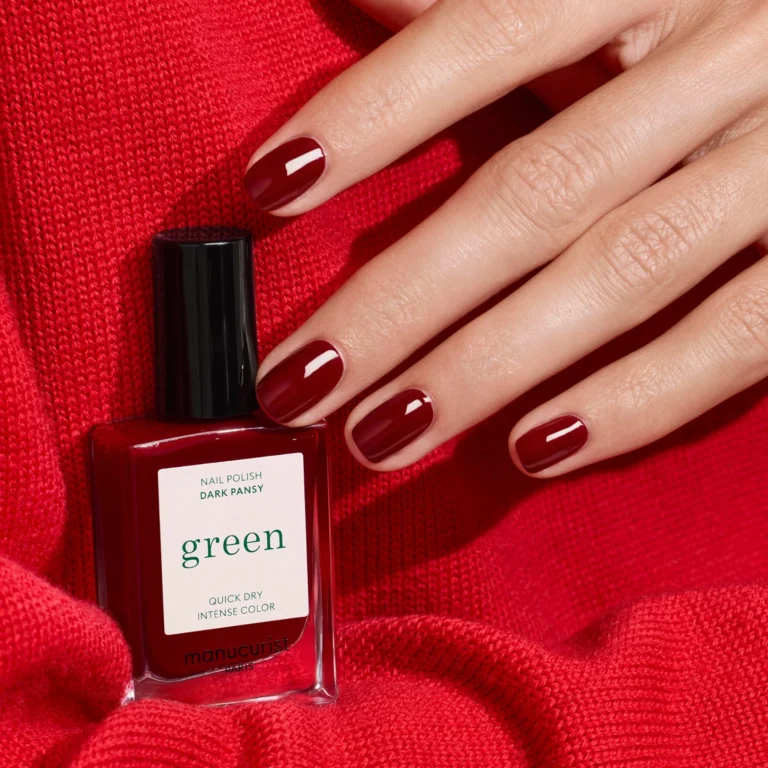
This is the OG of manicures, perfect for beginners. It starts with soaking your hands, trimming cuticles, shaping nails, and applying regular polish. No bells and whistles, just clean and simple. It’s quick, usually done in 30 minutes, and leaves your nails looking fresh without commitment.
Pros:
- Affordable (around $20-30)
- Gentle on natural nails
- Easy to remove at home
Cons:
- Polish chips easily, lasting only 5-7 days
- Not ideal for weak nails
- Limited design options
I once relied on basics during a busy job phase—they were my go-to for looking professional without fuss. If you’re new, start here to test the waters.
2. French Manicure
Ah, the classic French—white tips on a nude or pink base for that elegant, timeless look. The process mirrors a basic but adds precise tip painting, often with stencils for perfection. It’s subtle yet chic, popularized in the ’70s but still a staple today. Great for weddings or office settings.
Pros:
- Versatile and professional
- Enhances natural nail appearance
- Can last up to a week with top coat
Cons:
- Requires steady hands or a pro
- Tips can yellow over time
- Less exciting for bold personalities
My sister swore by French for her job interviews; she said it made her feel polished without overdoing it. If you want understated glamour, this is it.
3. American Manicure
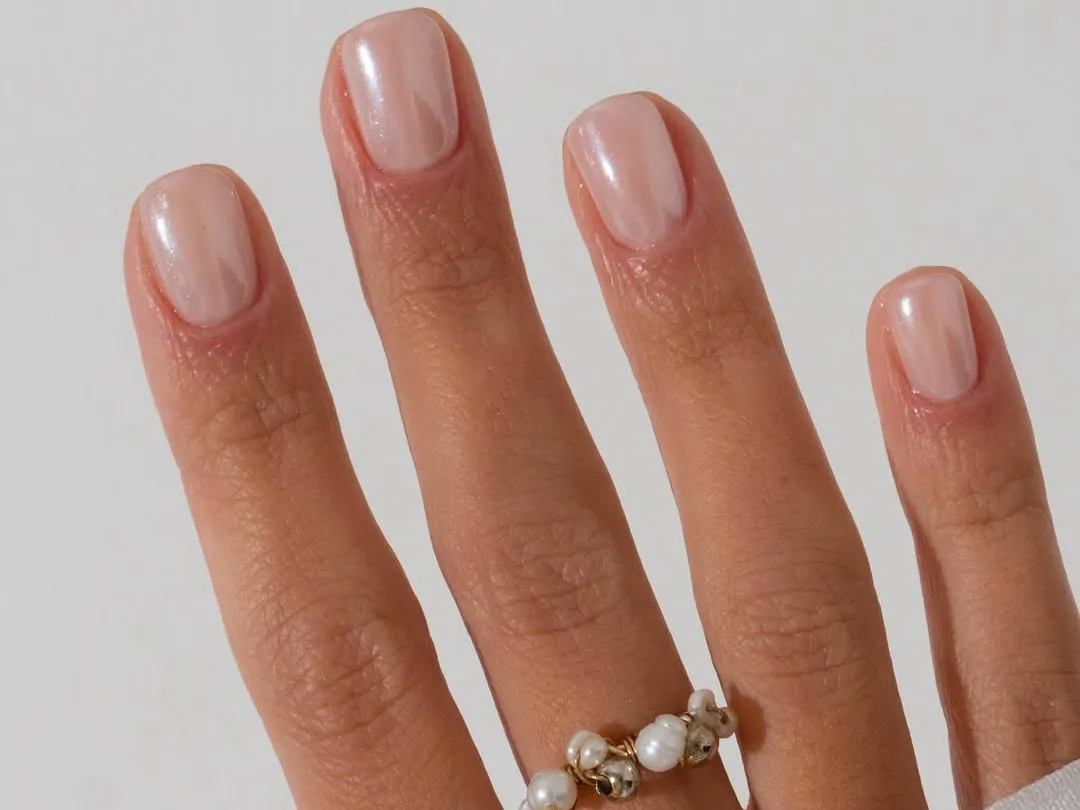
Similar to French but softer—off-white tips blended into a neutral base for a more natural fade. It’s like French’s chill cousin, with less contrast. The application is gentle, focusing on blending for a seamless effect. Ideal for those who want subtlety without stark lines.
Pros:
- More forgiving on growth
- Looks effortlessly natural
- Suits all skin tones
Cons:
- Can appear too minimal for some
- Fades quicker than bold styles
- Not as trendy as colorful options
I tried American after a French felt too harsh on my fair skin—it was a game-changer, blending right in. Perfect if you hate obvious regrowth.
4. Reverse French Manicure
Flip the script: color at the base (moon) instead of the tip, often with ombre or bold hues. It’s edgy yet wearable, starting with base prep then creative painting. Popular for nail art lovers wanting something different. Adds a modern twist to the classic.
Pros:
- Fun and customizable
- Highlights nail growth creatively
- Works well with short nails
Cons:
- Harder to DIY
- May not suit formal occasions
- Color can bleed if not sealed
During a creative rut, I went for reverse French in navy—it sparked compliments and boosted my mood. Try it if you’re bored with standards.
5. Gel Manicure
Gel uses special polish cured under UV light for a shiny, chip-resistant finish. It includes all basic steps plus layering gel that hardens instantly. Lasts 2-3 weeks, making it a favorite for busy folks. But removal needs acetone soaks to avoid damage.
Pros:
- Long-lasting and glossy
- Resistant to daily wear
- Endless color choices
Cons:
- UV exposure concerns
- Can weaken nails if overdone
- Pricier ($35-50)
I switched to gel during travel seasons—no chipping on long flights! Just be gentle with removal to keep nails healthy.
6. Shellac Manicure
Shellac is a brand-specific gel hybrid, applied like polish but cured like gel. It’s thinner than regular gel, offering a natural feel. The process is quick, with no dry time needed. Known for its durability without bulk.
Pros:
- Lightweight and flexible
- Lasts up to 14 days
- Easy on thin nails
Cons:
- Limited to CND products
- Removal can be tricky
- Slightly more expensive
A friend introduced me to Shellac when my gels felt too thick—it was lighter and just as tough. Great for natural nail fans.
7. Acrylic Manicure
Acrylics involve mixing powder and liquid to create extensions or overlays. Sculpted on your nails or tips, then filed smooth. Perfect for length and strength, but requires fills every 2-3 weeks. Popular for dramatic looks.
Pros:
- Super durable for active lifestyles
- Custom shapes and lengths
- Great for nail biters
Cons:
- Can damage natural nails
- Odor during application
- Higher cost ($40-60)
I used acrylics post-breakup to “rebuild” my short nails—cheesy, but it worked! Use them sparingly to avoid thinning.
8. Dip Powder Manicure
Dip involves dipping nails into colored powder after a base coat, sealed with activator. No UV needed, and it’s odor-free. Builds strength like acrylic but feels lighter. Lasts 3-4 weeks with minimal chipping.
Pros:
- Strong and matte options
- No light curing
- Vitamin-infused formulas available
Cons:
- Removal soaks take time
- Powder can be messy
- Not as glossy unless topped
During a no-UV phase, dip became my hero—strong nails without the lamp. Ideal if gels irritate your skin.
9. Paraffin Manicure
This spa-like treatment dips hands in warm paraffin wax after basic prep. Wax moisturizes deeply, then peeled off. Often combined with massage for ultimate relaxation. Best for dry, cracked skin.
Pros:
- Intense hydration
- Soothes joint pain
- Feels luxurious
Cons:
- Not long-lasting polish
- Wax can be hot if not careful
- Extra time (45-60 mins)
In winter, paraffin saved my chapped hands—soft for days! Pair it with a basic for full effect.
10. Hot Stone Manicure
Incorporates heated stones for massage during the manicure. After shaping and polish, stones relax muscles and improve circulation. A therapeutic twist on basics, great for stress relief.
Pros:
- Relaxes hands and mind
- Boosts blood flow
- Unique experience
Cons:
- Not everywhere available
- Stones add cost ($40+)
- Heat sensitivity issues
I treated myself to hot stone after a tough week—it was like therapy for my hands. Try it if you need zen.
Comparing the Manicure Types: A Quick Table
Here’s a side-by-side look to help decide. Costs are averages; longevity depends on care.
| Manicure Type | Average Cost | Appointment Time | Longevity | Best For |
|---|---|---|---|---|
| Basic | $20-30 | 30 mins | 5-7 days | Beginners, quick refresh |
| French | $25-35 | 45 mins | 7-10 days | Elegant occasions |
| American | $25-35 | 45 mins | 7-10 days | Natural looks |
| Reverse French | $30-40 | 45 mins | 7-10 days | Creative vibes |
| Gel | $35-50 | 45-60 mins | 2-3 weeks | Busy schedules |
| Shellac | $40-55 | 45 mins | 2 weeks | Lightweight durability |
| Acrylic | $40-60 | 60-90 mins | 3-4 weeks | Length seekers |
| Dip Powder | $35-50 | 45 mins | 3-4 weeks | Strength without UV |
| Paraffin | $30-45 | 45-60 mins | Varies (moisture focus) | Dry skin relief |
| Hot Stone | $40-50 | 50 mins | 7 days | Relaxation |
This table draws from salon averages and expert insights.
Gel vs. Acrylic: Which Is Better?
Gel shines for its glossy, flexible finish—cured under light, it’s less harsh on nails but may not add much length. Acrylic, mixed on-site, offers sturdy extensions but can feel heavier and damage naturals more. I prefer gel for everyday; acrylic for special events. Choose gel if you want quick and shiny, acrylic for bold transformations. Both last weeks, but gel removal is easier.
Pros of Gel:
- Natural feel
- Less odor
- UV-cured speed
Cons of Gel:
- Prone to lifting
- Limited sculpting
Pros of Acrylic:
- Customizable strength
- Long extensions
Cons of Acrylic:
- Potential allergies
- Bulky if thick
Dip Powder vs. Shellac: A Comparison
Dip builds layers with powder for matte strength, no light needed—great for those avoiding UV. Shellac, a gel hybrid, provides shine but requires curing. Dip feels thicker, lasting longer; Shellac is thinner. I went dip when traveling—no chipping worries. Opt for dip if durability matters, Shellac for gloss.
Where to Get These Manicures
Local salons are your best bet—search for “nail salons near me” or check apps like Booksy. For Lahore folks, places like high-end spas in Gulberg offer all types. Online, book via Fresha or Yelp reviews. At-home kits from Amazon work for basics, but pros handle acrylics safely.
Best Tools for DIY Manicures
For home tries, grab essentials like a good file (glass for gentleness), cuticle pusher, and buffer. Top picks: Tweezerman clippers for precision, Butter London tools for quality. For gel, invest in a UV lamp from Amazon’s best-sellers. Start simple to avoid mess.
People Also Ask
Based on common searches, here are real questions from Google users about manicure types.
What are the different types of manicures?
The main ones include basic, French, gel, acrylic, dip, and more—like the 10 we covered. Each varies in technique, from simple polish to extensions.
Which manicure is healthiest for nails?
A basic or Japanese manicure (focusing on buffing) is gentlest, avoiding chemicals. Paraffin adds moisture without harm.
What type of manicure lasts the longest?
Acrylic or dip powder can go 3-4 weeks, beating regular polish’s short life.
What’s the difference between gel and shellac?
Shellac is a specific brand of gel-polish hybrid, thinner and branded by CND. Gel is broader, often thicker.
Is dip powder better than acrylic?
Dip is lighter and odor-free, but acrylic allows more shaping. Both strong, but dip’s easier on sensitive noses.
FAQ
How often should I get a manicure?
Every 1-2 weeks for maintenance, but listen to your nails—if they’re weak, space it out.
Can manicures damage my nails?
Yes, if overdone, especially acrylics or poor removal. Always moisturize and take breaks.
What’s the best manicure for short nails?
French or basic— they enhance without needing length. Reverse French works too.
How do I remove gel at home?
Soak in acetone, wrapped in foil for 10-15 mins. Gently scrape, then oil up.
Are there eco-friendly manicure options?
Look for water-based polishes or salons using non-toxic products. Dip can be vitamin-enriched.
In wrapping up, manicures aren’t just vanity—they’re a boost for your hands and mood. Whether you’re after durability like acrylic or pampering like hot stone, there’s a type for everyone. I’ve shared my stories to make this relatable, hoping it helps you nail your next choice. For more inspo, check internal guides on nail care basics or external like Vogue’s manicure rundown. Stay polished!
(Word count: approximately 2,750)